
(5min read)

You have watched your child perform beautifully in practice.
Their skills are there. Their timing is natural. They make confident decisions, recover quickly, and compete freely.
Then tournament day arrives—and something changes.
They hesitate. They tighten. They begin thinking instead of responding. One mistake becomes three. The athlete you see in practice seems to disappear.
You leave wondering:
Why can’t they play the way I know they can?
You know it is mental. You may have said it yourself. But knowing it is mental does not explain what is happening.
If you have been waiting for someone to explain the difference between the athlete you see in practice and the athlete who appears in competition, this is for you.
Your child may not lack skill. They may be losing access to their skills because competition changes their internal state.
Shock is the brain’s natural response to the unexpected. It disrupts our sense of certainty and can temporarily narrow our ability to think, decide, and act.
That response is normal.
The real challenge is recovery.
When the brain remains frozen, in that state, resilience can erode. Confidence drops. Focus narrows. And you cannot decide.
For an athlete, that can mean missing the next play, the next opportunity, or the next step forward.
For a parent, it can mean watching a child struggle to recover from setbacks, mistakes, pressure, or unexpected events.
Resilience is not about never being shaken. It is about recovering and regaining the ability to respond.
Because the moment has already changed. The question is: have you changed with it?
That difference matters. Stop investing in more technical training while leaving the real performance barrier untouched.
Most parents would do anything for their athlete.
They invest time. Money. Travel. Private lessons. Strength training. Nutrition.
They celebrate the wins. They hurt with the losses.
But very few parents realize they are also shaping something invisible:
The mental, emotional and intellectual environment of their child.
It is shaped through the conversations before competition. The expectations surrounding results. The reactions to mistakes. The facial expressions from the sidelines. The questions asked on the drive home. In short, the emotional eco-system you offer to your child through your presence.
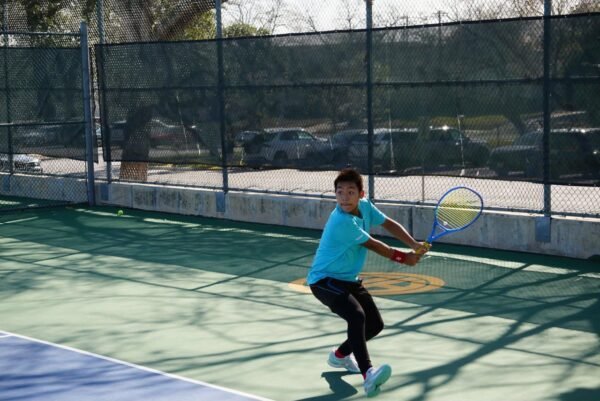
Most parents are doing the best they can with the tools they have. They are either unaware or they do not know how to help them or they fail to see the depth of its value in molding the young athlete.
Research supports the importance of this environment. In a study of 219 adolescent athletes, greater perceived parental pressure and directive behavior were associated with less autonomous motivation and greater burnout-related outcomes.
This does not mean parents alone cause these outcomes. It means their emotional environment matters.
The encouraging part is that this environment can change. When parents develop awareness alongside their athlete, they can become one of the athlete’s greatest performance resources.
What are some practices you can start to implement now?
Your child notices your breathing, posture, tone, facial expressions, and reactions even when you say nothing.
Before reacting, ask yourself:
What am I communicating right now: calm and trust, or fear and urgency? How is my body language, my breath, my stance?
Helping an athlete regulate under pressure begins with the parent becoming aware of the state they are bringing into the environment. This is one reason Mind Sense guides parents alongside their athletes.
Avoid overwhelming your athlete with multiple technical instructions immediately before competing. Their mind does not need more to carry.
Instead, ask:
What is one thing you want to remain aware of today?
or
Beyond wins and losses, what can you focus on improving during this match?
They might choose their breath, staying focused, releasing physical tension, response after mistakes, or resetting between points and plays.
The goal is not to give the athlete more information. It is to help them notice what prevents their existing training from emerging.
Do not immediately turn the ride home into a coaching session. Give the athlete time to settle before trying to analyze the experience. Guide them to breathe consciously to calm their mind. This can take a few minutes to a few hours. Be patient. Be there for them.
Once their mind is calm, ask:
Reflection helps athletes understand their own patterns. When parents learn to guide reflection with curiosity, and understanding; without immediately correcting or judging, competition becomes an opportunity for development, not only a result to evaluate.
How many hours per week does your athlete spend on training technique, strategy, speed, strength, conditioning, and recovery? Can you calculate in your head?
Now, how much time do they spend training their mental awareness?
This means taking the time train to…
For most families, the answer is very little to none.
This is the training gap.
Technical training develops the skill. Awareness training helps the athlete access that skill when pressure changes.
Awareness is the skill behind every skill.
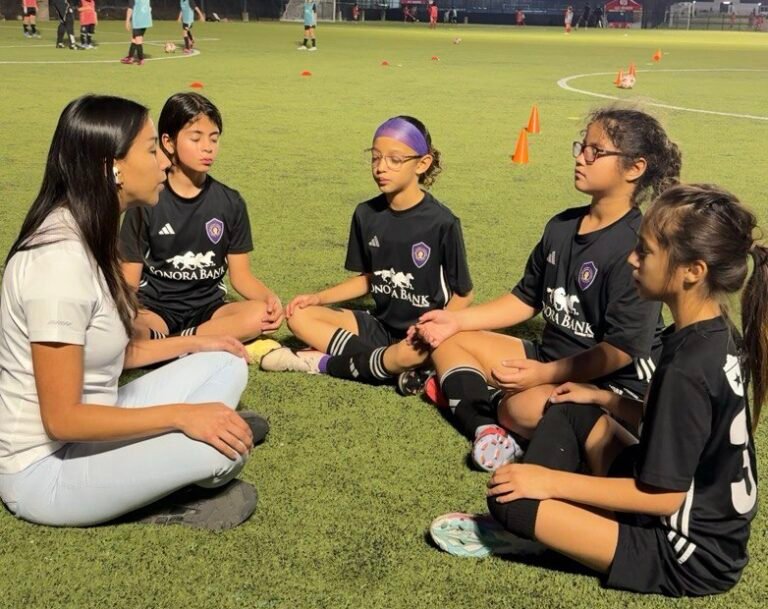
An athlete cannot release tension they do not recognize. They cannot redirect attention if they do not notice it has moved. They cannot change a repetitive emotional pattern while remaining unaware that the pattern is happening.
Closing this gap is why Mind Sense Academy exists. The objective is not to give athletes more information to think about during competition. It is to help them become present enough for their existing training to emerge.
.
Your child does not have to wait until inconsistency, frustration, or self-doubt becomes deeply established before learning how to work with their mind.
Awareness can be trained alongside technical skill. As a parent, you can become one of the most powerful supports in that process, but you also deserve the right guidance and tools.

By booking a Parent–Athlete Exploration Call, we will help you:
Book a Parent–Athlete Exploration Call
Mind Sense does not treat your athlete as broken, nor do we rely on motivation, positive thinking, or temporary confidence strategies.
Our work is rooted in two principles: awareness must come before meaningful change, and lasting development happens when we train the human behind the athlete. That is why we help the parent and athlete grow together—so better performance emerges from greater connection, clarity, and freedom rather than more pressure.
We are not simply preparing your child for the next competition. We are helping them develop the internal skills they will carry into every future competition—and into life.
Take a moment to answer these questions honestly.
If you answered “not yet” to several of these questions, it does not mean you or your athlete are doing something wrong.